Global Japanese Sushi Rolls
Highlighted under: Street Food Recipes
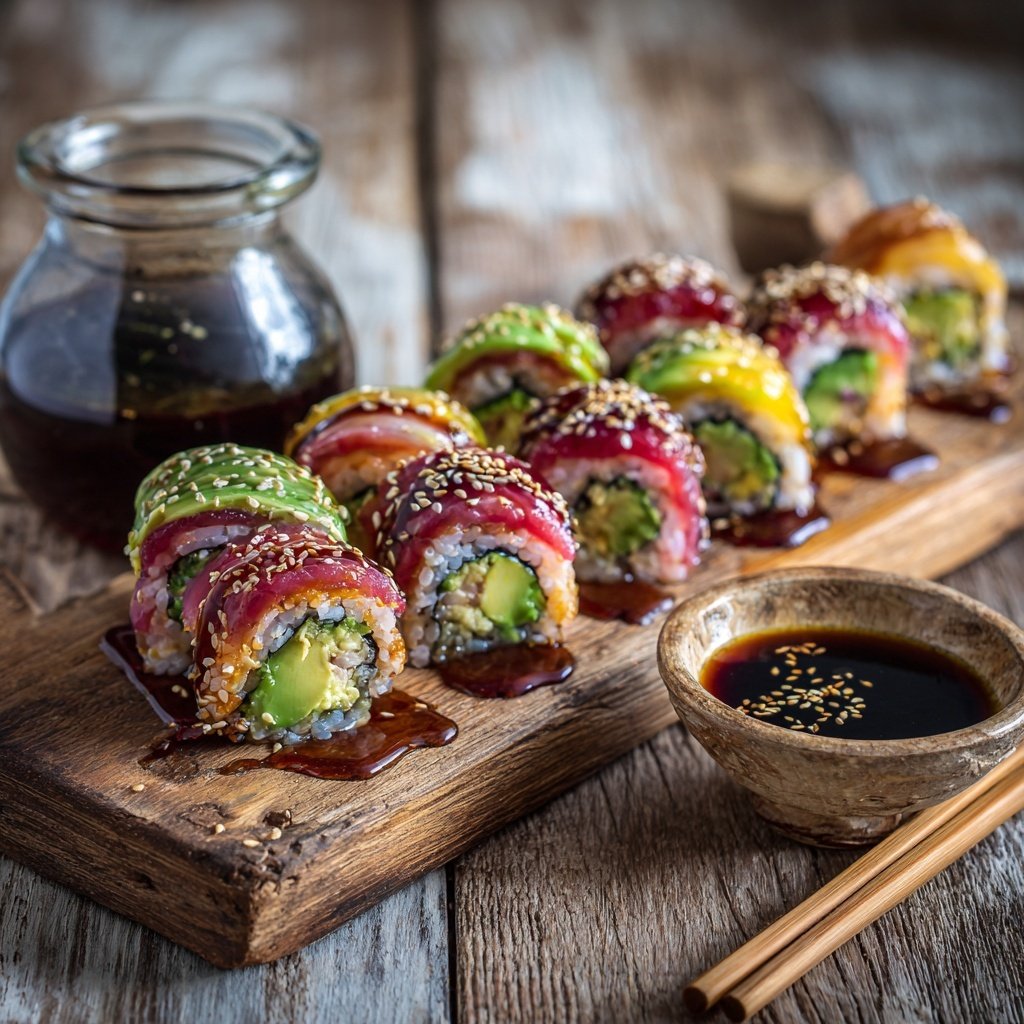
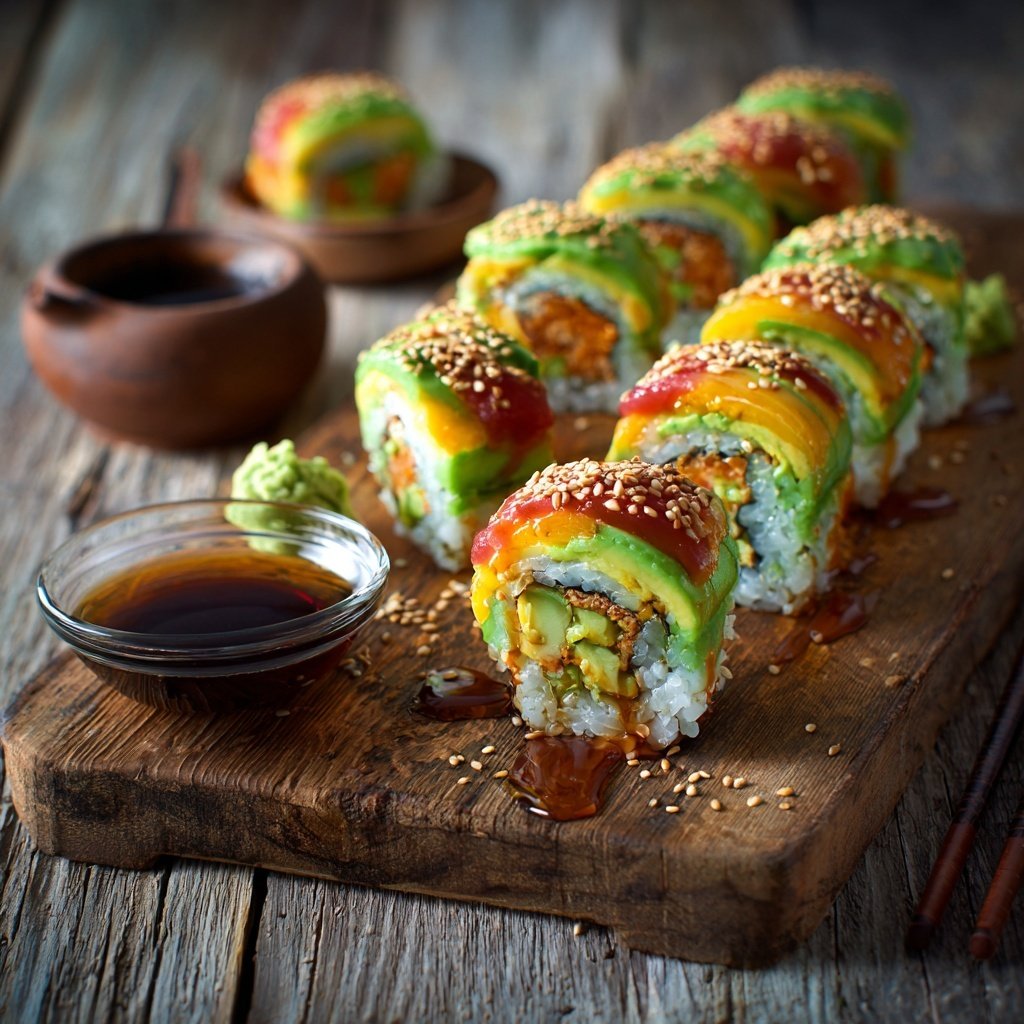
I’ve always been fascinated by the art of sushi-making, and this Global Japanese Sushi Rolls recipe truly brings that experience to my kitchen. As I wrapped each roll, I realized how satisfying and playful this process can be, blending traditional ingredients with my favorite flavors. In just a short time, I was able to create a vibrant platter that not only tasted amazing but also looked stunning! This is the perfect dish to impress guests on any occasion, and the customizable nature means everyone can take part in the fun.
When I first attempted to make sushi at home, I was unsure about the rolling technique. After a few tries, I found that using a bamboo mat made a huge difference in creating perfectly tight rolls. It also allows for experimenting with fillings, which transforms each roll into a unique experience. I love incorporating unexpected ingredients, like mango and cream cheese, to create a blend of flavors and textures.
One of my favorite moments was serving these sushi rolls at a dinner party. The vibrant colors and artistry of the rolls captivated my guests, and watching them enjoy each bite was incredibly rewarding. Sushi-making is not just food preparation; it’s a form of art that invites creativity and joy into the kitchen!
Why You Will Love This Recipe
- A delightful fusion of flavors with every bite
- Customizable to suit your personal taste
- An impressive dish for sharing at gatherings
Mastering Sushi Rice
Achieving the perfect sushi rice is crucial for rolling delicious sushi. Start by rinsing the sushi rice thoroughly under cold water to remove excess starch, which is essential to prevent it from becoming gummy. The water should run clear after a few rinses. Use a rice cooker for consistent results, and let the rice rest for about 10 minutes after cooking to allow it to firm up and absorb remaining moisture. This step enhances the texture, making your sushi rolls easier to handle.
The seasoning mixture of rice vinegar, sugar, and salt is where the flavor comes alive. Heating it gently until dissolved is key; avoid boiling, as this can alter the flavor profile. Once incorporated, fan the rice while cooling to achieve a glossy sheen. This step also helps to bring out the sweetness of the rice, balancing the savory elements of your fillings and dipping sauces. Remember, proper sushi rice is sticky enough to hold together but not overly wet.
Customizing Your Fillings
The beauty of sushi rolls lies in their versatility. While the recipe features shrimp, mango, and avocado, feel free to swap in your favorite seasonal vegetables or proteins. For those avoiding seafood, roasted sweet potato, tofu, or even grilled chicken work well. You can also explore international flavors by adding ingredients like spicy kimchi or even thinly sliced grilled vegetables, making this dish truly global and uniquely yours. Always aim for a balance of textures and flavors—creamy avocado paired with crunchy cucumber, for instance, enhances each bite.
When assembling your rolls, remember that simple is often best. Avoid overstuffing, as this can make it difficult to roll tightly. Layer fillings strategically, placing softer items like cream cheese in the middle for a creamy texture, while denser ingredients like shrimp or vegetables should be positioned at the bottom of the roll. This ensures that the roll holds its shape and is easy to slice without squishing the fillings.
Perfecting the Cutting Technique
Slicing your sushi rolls properly ensures your presentation is as impressive as the flavors. A sharp, non-serrated knife is essential; the dull blade can crush the rice rather than slice it cleanly. Wet the knife with water between cuts to minimize sticking and achieve cleaner edges. Aim for even rolls, cutting each into 6-8 pieces for optimal bite-sized servings. If you notice any resistance while cutting, it could mean the roll is too packed; in such cases, gently reshape the roll with the mat before cutting.
Lastly, presentation can elevate your sushi experience. When arranging the pieces on a platter, turn them so the cut sides face up, showcasing the colorful fillings. Pairing your sushi with small bowls of soy sauce, wasabi, and pickled ginger adds a beautiful touch and allows guests to customize their experience. Consider garnishing the platter with sesame seeds or edible flowers for a touch of elegance.
Ingredients
Sushi Rice
- 2 cups sushi rice
- 2 1/2 cups water
- 1/4 cup rice vinegar
- 2 tablespoons sugar
- 1 teaspoon salt
Fillings
- 1 cucumber, julienned
- 1 avocado, sliced
- 1 cup cooked shrimp or crab
- 1 mango, sliced
- Cream cheese (optional)
- Nori sheets
Sauces
- Soy sauce for dipping
- Wasabi and pickled ginger
Instructions
Prepare the Sushi Rice
Rinse 2 cups of sushi rice under cold water until the water runs clear. Combine the rice and 2 1/2 cups of water in a rice cooker. Once cooked, let it rest for 10 minutes. In a small saucepan, heat rice vinegar, sugar, and salt over low heat until dissolved. Mix this seasoning into the cooked rice and let it cool.
Assemble the Rolls
Place a sheet of nori on a bamboo mat, shiny side down. Wet your hands and spread a thin layer of sushi rice over the nori, leaving a small border at the top. Place your choice of fillings along the bottom edge of the rice. Start rolling from the bottom, using the mat to guide and tighten as you roll. Seal the edge with a bit of water.
Cut and Serve
Use a sharp knife to slice the roll into 6-8 pieces. Clean the knife with a damp cloth between cuts for clean edges. Arrange the sushi rolls on a platter, and serve with soy sauce, wasabi, and pickled ginger.
Pro Tips
- Experiment with different fillings and sauces to create your own signature rolls! Always use fresh ingredients for the best flavor.
Storage and Make-Ahead Tips
Sushi rolls are best enjoyed fresh, but if you have leftovers, store them in the refrigerator. Wrap each roll tightly in plastic wrap to prevent drying out, and consume within 24 hours for optimal flavor and freshness. You can also prepare sushi rice and fillings ahead of time; the rice can be stored in an airtight container at room temperature for 4-6 hours, or refrigerated for longer. Just remember to allow it to come to room temperature before assembly, as cold rice can be harder to roll.
If you're planning a sushi night, consider prepping a sushi platter ahead of time. Make the rice and fillings earlier in the day and set up a sushi station to allow everyone to create their rolls. This not only makes the process fun and interactive, but it also lets guests personalize their flavors, ensuring that everyone leaves satisfied.
Cooking Tools for Success
To create sushi rolls effectively, certain tools can enhance your experience. A bamboo sushi mat is essential for rolling uniformly; it helps maintain the shape of your roll and provides the necessary tension. If you plan to make sushi regularly, consider investing in a rice cooker, which streamlines the rice-making process and protects against undercooked or burned grains. Additionally, having a sharp knife is crucial for clean cuts; a traditional sushi knife, if available, can make a visible difference in quality.
Don’t overlook the importance of a good cutting board with sufficient space to maneuver your rolls. Choosing a non-stick surface or bamboo can further ease the cutting process. The right assembly tools will make your sushi-making experience more enjoyable, allowing you to focus on creativity and flavor instead of battling equipment.
Flavor Variations to Explore
While this recipe guides you through classic fillings, there’s limitless potential for creativity. For a spicy kick, consider adding sriracha to your cream cheese or incorporating spicy tuna mix for a traditional twist. If you enjoy tropical flavors, try pineapple or jalapeños for a unique profile. Mixing in fresh herbs like cilantro or Thai basil can also elevate your rolls and surprise your palate with every bite.
For a fun twist, experiment with different sauces when serving. Instead of the typical soy sauce, think about creating a teriyaki glaze or a spicy mayo to drizzle over your rolls. These little touches will not only enhance the flavor but also add an exciting visual element to the finished dish.
Questions About Recipes
→ Can I use brown rice instead of white sushi rice?
Yes, but it may change the texture and taste. Ensure it's cooked correctly to achieve the best results.
→ How do I store leftover sushi?
It’s best consumed fresh, but if you have leftovers, wrap them tightly in plastic wrap and refrigerate. Consume within 24 hours.
→ Can I make sushi rolls vegetarian?
Absolutely! You can use a variety of vegetables, tofu, or even fruits as fillings.
→ What should I use if I don't have a bamboo mat?
You can use a clean kitchen towel to help shape the rolls, but a bamboo mat is recommended for best results.
Global Japanese Sushi Rolls
Created by: The Chefbrunocooks Team
Recipe Type: Street Food Recipes
Skill Level: Intermediate
Final Quantity: 4 rolls
What You'll Need
Sushi Rice
- 2 cups sushi rice
- 2 1/2 cups water
- 1/4 cup rice vinegar
- 2 tablespoons sugar
- 1 teaspoon salt
Fillings
- 1 cucumber, julienned
- 1 avocado, sliced
- 1 cup cooked shrimp or crab
- 1 mango, sliced
- Cream cheese (optional)
- Nori sheets
Sauces
- Soy sauce for dipping
- Wasabi and pickled ginger
How-To Steps
Rinse 2 cups of sushi rice under cold water until the water runs clear. Combine the rice and 2 1/2 cups of water in a rice cooker. Once cooked, let it rest for 10 minutes. In a small saucepan, heat rice vinegar, sugar, and salt over low heat until dissolved. Mix this seasoning into the cooked rice and let it cool.
Place a sheet of nori on a bamboo mat, shiny side down. Wet your hands and spread a thin layer of sushi rice over the nori, leaving a small border at the top. Place your choice of fillings along the bottom edge of the rice. Start rolling from the bottom, using the mat to guide and tighten as you roll. Seal the edge with a bit of water.
Use a sharp knife to slice the roll into 6-8 pieces. Clean the knife with a damp cloth between cuts for clean edges. Arrange the sushi rolls on a platter, and serve with soy sauce, wasabi, and pickled ginger.
Extra Tips
- Experiment with different fillings and sauces to create your own signature rolls! Always use fresh ingredients for the best flavor.
Nutritional Breakdown (Per Serving)
- Calories: 250 kcal
- Total Fat: 4g
- Saturated Fat: 1g
- Cholesterol: 25mg
- Sodium: 60mg
- Total Carbohydrates: 44g
- Dietary Fiber: 2g
- Sugars: 5g
- Protein: 6g